
Yala, a region located in the southeastern part of Sri Lanka, is a place of incredible natural beauty, rich biodiversity, and cultural significance. Spanning a landscape that includes dense forests, open grasslands, freshwater and marine wetlands, and coastal lagoons, Yala is an area that offers a diverse range of experiences for visitors and residents alike. While Yala National Park is its most famous feature, the broader region encompasses much more, providing a deep and immersive understanding of Sri Lanka’s natural and cultural heritage.
Geography and Climate
Yala is situated in the dry zone of Sri Lanka, which is characterized by a hot and arid climate. The region experiences a distinct dry season from May to September and a wet season from October to January, influenced by the northeast monsoon. The average annual temperature hovers around 27°C (80.6°F), with variations depending on the season and specific location within the region.
The terrain in Yala is diverse, ranging from coastal plains to rocky outcrops and thick jungles. The coastline is marked by sandy beaches and estuaries, while inland areas feature a mix of shrublands, grasslands, and forest patches. This variety in landscapes contributes to Yala’s rich biodiversity and provides different habitats for a wide array of flora and fauna.
Biodiversity and Ecology
Yala is renowned for its exceptional biodiversity. The region’s varied ecosystems support a multitude of plant and animal species, many of which are endemic to Sri Lanka. The coastal and marine environments are home to mangroves, seagrass beds, and coral reefs, which are vital for the health of marine life. Inland, the forests and grasslands harbor numerous species of trees, shrubs, and grasses, each adapted to the region’s climatic conditions.
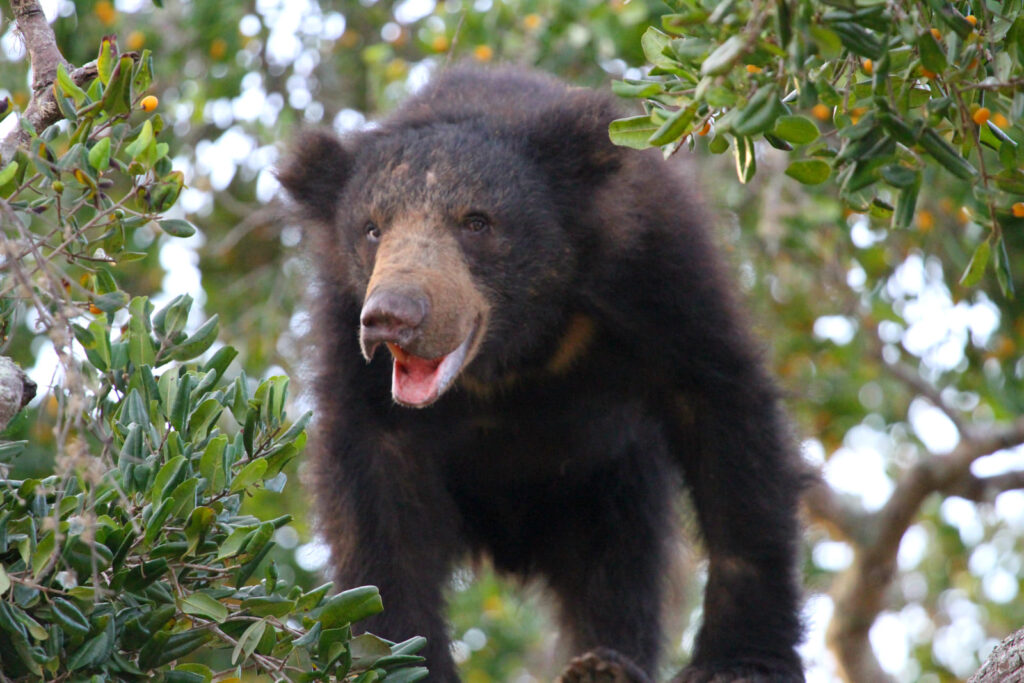
The wildlife in Yala is one of its most striking features. The area is home to mammals such as the Sri Lankan elephant, the elusive leopard, sloth bears, and numerous species of deer and monkeys. The birdlife is equally impressive, with over 200 species recorded, including both resident and migratory birds. Reptiles, amphibians, and insects also abound, making Yala a hotspot for biodiversity and a vital area for conservation efforts.
Cultural and Historical Significance
The Yala region is not only important for its natural heritage but also for its cultural and historical significance. The area has been inhabited for thousands of years, and evidence of ancient civilizations can be found in the form of ruins, temples, and inscriptions. The historic sites in Yala offer a glimpse into the rich cultural tapestry of Sri Lanka and its ancient heritage.
One notable site is the Sithulpawwa Rock Temple, an ancient Buddhist monastery dating back over 2,000 years. The temple complex includes cave shrines, stupas, and rock carvings, and it provides insight into the religious and cultural practices of ancient Sri Lanka. Other historical sites include the Magul Maha Viharaya, a temple believed to be the site of a royal marriage, and various ruins scattered throughout the region.

Local Communities and Economy
The local communities in Yala are diverse and have a deep connection to the land and its resources. Agriculture is a primary occupation, with rice, vegetables, and fruits being the main crops. The region’s fertile soils and access to water sources support farming activities, and traditional agricultural practices are still prevalent.
Fisheries also play a significant role in the local economy, particularly in coastal areas. The rich marine resources provide livelihoods for many families, and fishing techniques range from traditional methods to modern practices. The local cuisine, heavily influenced by the availability of fresh produce and seafood, is a reflection of the region’s agricultural and fishing heritage.
Tourism is another crucial sector, driven by the natural and cultural attractions of the area. Yala National Park draws visitors from around the world, but the broader region also benefits from tourism. Local businesses, including hotels, guesthouses, restaurants, and tour operators, thrive on the influx of tourists seeking to explore the natural beauty and cultural heritage of Yala.
Conservation and Environmental Challenges
The natural beauty and biodiversity of Yala make conservation a priority. Efforts to protect the environment and wildlife are ongoing, with various government and non-governmental organizations working towards sustainable management of the area’s resources. Conservation initiatives include habitat restoration, anti-poaching measures, and community engagement programs aimed at promoting sustainable practices.
However, Yala faces several environmental challenges. Human-wildlife conflict is a significant issue, particularly with elephants, as agricultural activities encroach on their habitats. Deforestation, illegal logging, and land conversion for agriculture and development also pose threats to the region’s ecosystems. Climate change impacts, such as altered rainfall patterns and extreme weather events, further exacerbate these challenges.
Addressing these issues requires a multifaceted approach, including policy interventions, community participation, and scientific research. Sustainable tourism practices are also essential to ensure that the influx of visitors does not negatively impact the environment.
Infrastructure and Development
Infrastructure development in Yala has been geared towards supporting both the local population and the tourism industry. The region is accessible by road, with several routes connecting it to major cities like Colombo and Matara. Public transportation, including buses and trains, provides connectivity, although many visitors prefer private vehicles or organized tours for convenience.
Accommodation options in Yala range from luxury lodges and eco-friendly resorts to budget guesthouses and campsites. These facilities cater to different preferences and budgets, ensuring that all visitors can find suitable lodging. The development of sustainable and eco-friendly accommodations has been a focus in recent years, aiming to minimize the environmental footprint of tourism.
Efforts to improve infrastructure extend to healthcare, education, and public services. Local authorities and development agencies work to enhance the quality of life for residents, addressing issues such as access to clean water, sanitation, and healthcare services.
Conclusion
Yala, Sri Lanka, is a region of immense natural beauty, ecological importance, and cultural richness. Its diverse landscapes, abundant wildlife, and historical sites make it a unique destination for visitors and a vital area for conservation efforts. The local communities, deeply connected to the land, play a crucial role in maintaining the region’s cultural and economic vitality.
While Yala faces environmental and developmental challenges, ongoing conservation efforts and sustainable practices offer hope for the future. By balancing the needs of wildlife, local communities, and visitors, Yala can continue to thrive as a beacon of Sri Lanka’s natural and cultural heritage. Whether exploring its wild landscapes, delving into its history, or experiencing its vibrant local life, Yala offers an unforgettable journey into the heart of one of Sri Lanka’s most treasured regions.