
Sri Lanka is home to one of the largest populations of Asian elephants in the world. Sadly, these gentle giants face daily threats from habitat destruction, human-elephant conflict, and illegal poaching. Among the most vulnerable are the orphaned elephant calves who lose their mothers and herds and struggle to survive in the wild. To give these young elephants a second chance at life, the Elephant Transit Home (ETH) was founded. Its purpose is to rescue, rehabilitate, and eventually reintroduce these calves into their natural habitat, helping to preserve this magnificent species for generations to come.
From Rescue to Release – A Life saving Journey
When an orphaned calf is reported—often found alone and distressed in the wild—the Department of Wildlife Conservation sends out a dedicated team to rescue it. These calves are usually victims of poaching, environmental changes, or conflict with humans. Once brought to the ETH, they are given immediate medical attention and placed in quarantine to prevent the spread of disease.
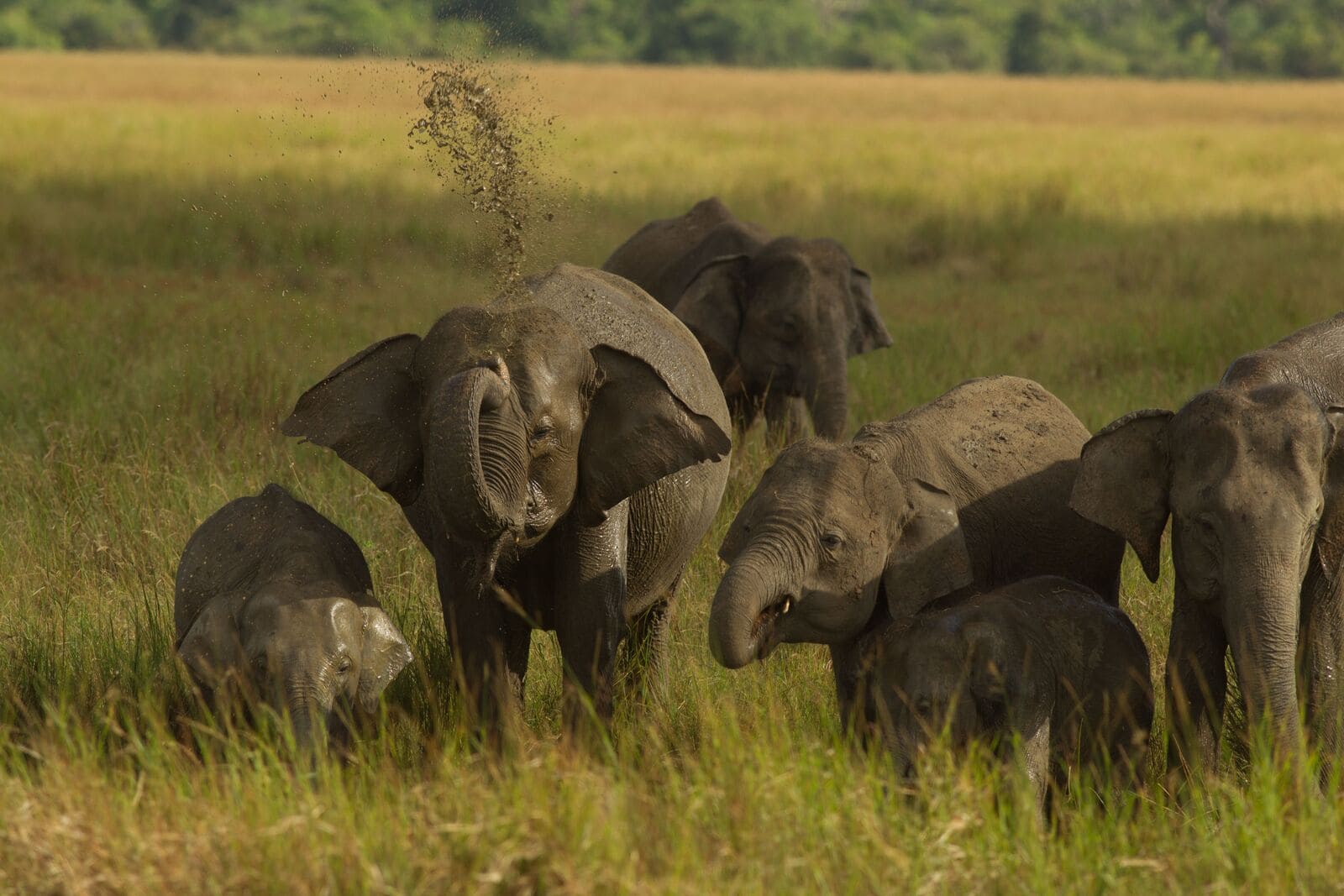
The first few weeks are critical. The calves receive a specially formulated diet that mimics their mother’s milk, along with vital supplements to support their growth. As they grow, their diet gradually shifts toward the natural foods they’ll find in the wild. During this time, they also begin forming bonds with other elephants. These social connections are essential because elephants are naturally herd animals that thrive through interaction and communication.
Gradually, the calves are introduced to more natural surroundings within the ETH grounds—learning to navigate vegetation, find water sources, and adapt to wild conditions. This slow and steady transition prepares them for their eventual release into protected habitats like Udawalawe National Park. Once they’re ready, they are set free and monitored closely to ensure their survival and integration into the wild elephant population.
Conservation, Research, and Education at ETH
Beyond rescue, the ETH is a center of scientific research and conservation. Its work not only strengthens the genetic diversity and health of Sri Lanka’s elephant population but also contributes to global knowledge about elephant behavior and ecology. The center regularly partners with both local and international researchers to track released elephants, study their nutrition, and better understand how they interact with humans and their environment.
Education plays a vital role in ETH’s mission. Visitors from around the world come to witness the elephants during their feeding sessions and learn about the journey from rescue to release. The facility is designed to limit direct human contact so the elephants retain their wild instincts. Through guided tours and educational talks by caregivers and veterinarians, visitors gain valuable insight into the work being done to protect these animals and the challenges they face in the wild.
Visitors as Partners in Conservation
Visiting the ETH isn’t just a heartwarming experience—it’s also an opportunity to directly support wildlife conservation. The revenue generated through entrance fees, donations, and merchandise sales goes straight back into caring for the elephants, improving the facility, and supporting ongoing research efforts. Each visitor plays a small but important part in giving these elephants a second chance at life.
Overcoming Challenges and Looking Ahead
The ETH continues to face challenges, particularly from the ongoing issue of human-elephant conflict. As more land is cleared for farming and settlements, elephants are forced into closer contact with people, often resulting in violence and, ultimately, orphaned calves. The ETH is on the frontline of managing this crisis but requires significant funding and support to do so effectively.
In response, the center is working to expand and modernize its facilities. Plans include larger quarantine spaces, better veterinary infrastructure, and more natural areas for the elephants to roam and learn survival skills. The ETH also aims to deepen its community outreach efforts, working with local villagers and schools to build awareness about the importance of coexistence and conservation.
Conclusion
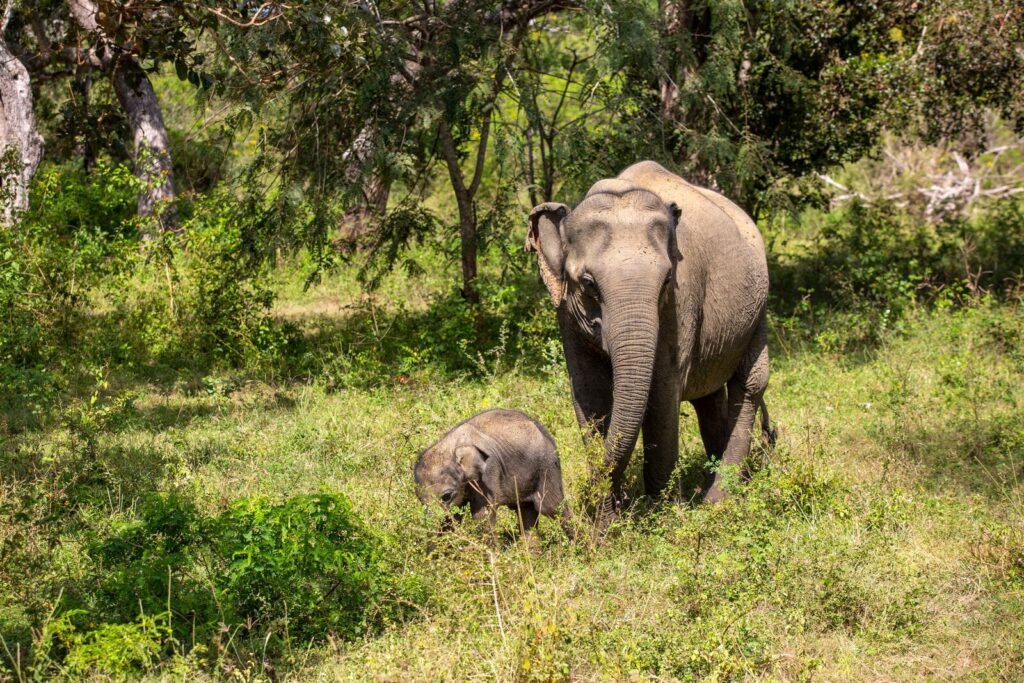
In conclusion, the Elephant Transit Home is more than just a sanctuary—it’s a lifeline for orphaned elephants and a beacon of hope for the future of wildlife conservation in Sri Lanka. By caring for these vulnerable animals and giving them the skills to return to the wild, ETH is helping to ensure that the majestic Asian elephant continues to roam freely through Sri Lanka’s forests for many years to come.