
Hambantota Sri Lanka, located in the Southern Province of Sri Lanka, is a rapidly developing city known for its rich cultural heritage, beautiful landscapes, and strategic importance. This guide provides a detailed overview of Hambantota, including its population, location, weather, port, airport, and tourist attractions.
Hambantota is a bustling town with a population of approximately 11,200 people, according to recent estimates. The population is diverse, with a mix of ethnic groups including Sinhalese, Tamils, and Muslims. The town’s economy is primarily based on agriculture, fishing, and trade, with a growing focus on tourism and development projects.
Hambantota is situated on the southern coast of Sri Lanka, approximately 240 kilometers southeast of Colombo, the capital city. The town is strategically located near major sea routes, making it an important hub for maritime trade. Hambantota’s geographical coordinates are approximately 6.1248° N latitude and 81.1185° E longitude.
Hambantota experiences a tropical climate, characterized by high temperatures and moderate rainfall throughout the year. The town falls within the dry zone of Sri Lanka, resulting in a relatively dry and arid climate compared to the rest of the island.
The average annual temperature ranges between 26°C (79°F) and 30°C (86°F). The hottest months are typically March and April. Hambantota receives an average annual rainfall of about 1,000 millimeters. The rainy season occurs from October to December, with occasional showers during the southwest monsoon from May to September. The relative humidity in Hambantota ranges from 70% to 90%, with higher humidity levels during the rainy season.
Due to the warm and dry climate, it is advisable for visitors to wear light, breathable clothing and stay hydrated, especially during outdoor activities.
Hambantota Port, officially known as the Magampura Mahinda Rajapaksa Port, is one of the most significant infrastructural developments in Sri Lanka. The port is located on the southern coast, strategically positioned near the world’s busiest maritime lanes. The port was developed in multiple phases, with the first phase inaugurated in 2010. It was built with the aim of easing congestion at Colombo Port and boosting regional economic growth.
Hambantota Port is equipped with state-of-the-art facilities, including container terminals, cargo handling equipment, and storage facilities. It can accommodate large vessels, including container ships, bulk carriers, and oil tankers. The port has significantly contributed to the local economy by creating jobs and attracting investment. It serves as a hub for transshipment, logistics, and industrial activities.
Mattala Rajapaksa International Airport
Mattala Rajapaksa International Airport (MRIA) is located approximately 18 kilometers from Hambantota town. It is Sri Lanka’s second international airport, designed to accommodate the increasing number of tourists and cargo traffic.
The airport features a modern passenger terminal, cargo facilities, and a runway capable of handling large aircraft. It offers a range of services, including duty-free shops, restaurants, and car rental services.
MRIA connects Hambantota to major international destinations and provides an alternative gateway to the southern region of Sri Lanka. Although currently underutilized, efforts are underway to increase its connectivity and passenger traffic.
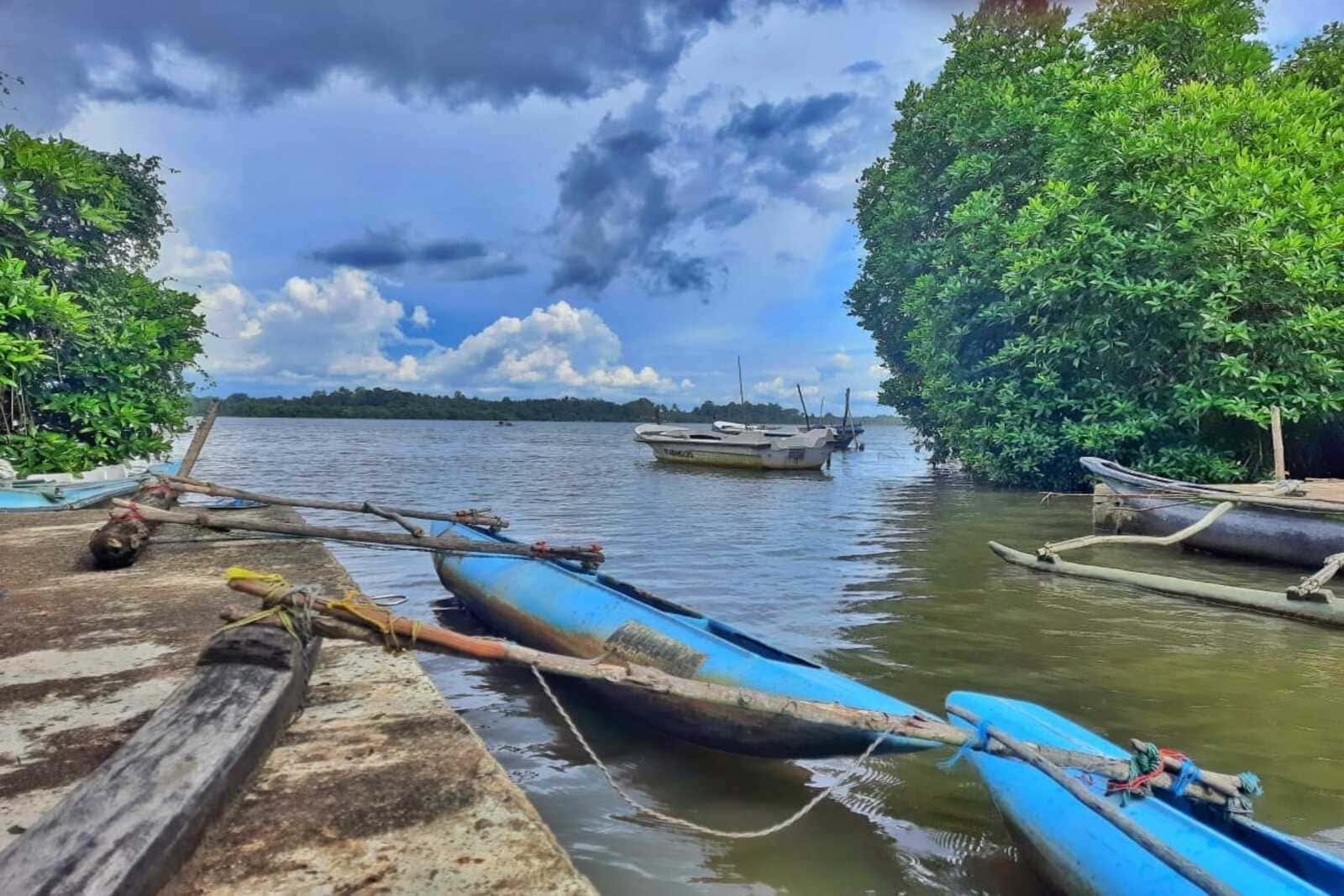
Tourist Attractions in Hambantota
Avail the unique combination of wildlife, spirituality and scenic beauty, which essentially places it on any itinerary touring the south. Yala National Park, with its much-publicized high leopard density, also houses elephants, crocodiles, and a colorful cast of avian species across forests, grasslands, and wetlands-best savored with the thrill of a safari. Further away, Bundala National Park, designated as a UNESCO biosphere reserve, remains a birdwatcher’s paradise, more so during the migratory season. Ridiyagama Safari Park takes to an alternative safari, giving one the rare opportunity of seeing lions, zebras, and giraffes in an open zoo setting oriented toward conservation. The tortuous pilgrimage to the sacred Kataragama Temple proceeds, weaving together Buddhists, Hindus, and Muslims, out of whose complex interaction arise a rich tapestry of religious rituals and vibrant festivals. Subsequently, the Hambantota Lighthouse has to be explored for the coastal beauty to click some shots and just unwind. With Sri Lanka Tours Net’s Sri Lanka tour package, you can organize any of these sights.
Practical Information for Visitors
Hambantota offers a range of accommodation options to suit different budgets and preferences, including luxury resorts, boutique hotels, and budget guesthouses. Many accommodations provide amenities such as swimming pools, spas, and easy access to nearby attractions.
In transportation aspects taxis and Tuk-Tuks are widely available and ideal for short trips and local exploration. Several agencies offer car rental services for those who prefer to drive themselves. Buses and trains connect Hambantota to other major cities and towns in Sri Lanka.
The culinary scene in Hambantota features a mix of traditional Sri Lankan cuisine and international dishes. Visitors can enjoy fresh seafood, spicy curries, and tropical fruits. Local eateries, beachside cafes, and fine-dining restaurants cater to diverse tastes.
For souvenirs and local products, visitors can explore markets and shops in Hambantota. Popular items include handwoven textiles, wooden carvings, spices, and gemstones.

Conclusion
Hambantota is a vibrant and evolving destination that offers a blend of natural beauty, cultural heritage, and modern amenities. Whether you’re interested in wildlife safaris, religious sites, or simply soaking in the coastal charm, Hambantota has something for every traveler. This comprehensive guide provides all the essential information you need to plan a memorable visit to Hambantota, Sri Lanka.