
Udawalawe National Park, located in the southern region of Sri Lanka, is one of the country’s most renowned wildlife reserves. Established in 1972, the park spans approximately 308 square kilometers and is a haven for a diverse range of flora and fauna. Udawalawe is particularly famous for its large population of Asian elephants, making it one of the best places in the world to observe these majestic creatures in their natural habitat. This guide provides an in-depth look at Udawalawe National Park, its unique features, and the unforgettable experiences it offers to visitors.
Geography and Ecosystems
Udawalawe National Park is situated on the border of Sabaragamuwa and Uva Provinces, with the Udawalawe Reservoir forming its northern boundary. The park’s landscape is characterized by a mix of grasslands, scrublands, and riverine forests, creating a mosaic of habitats that support a rich diversity of wildlife. The Udawalawe Reservoir, a man-made lake, is a central feature of the park and provides a crucial water source for the animals. The park’s terrain is relatively flat, with gentle undulations and a few rocky outcrops. The presence of the reservoir and numerous waterholes makes Udawalawe an ideal location for wildlife viewing, particularly during the dry season when animals congregate around these water sources.
Wildlife
Udawalawe National Park is best known for its elephants. The park is home to an estimated 500 to 600 elephants, which can often be seen in large herds. These elephants are relatively accustomed to human presence, allowing for close-up sightings and incredible photographic opportunities. Unlike many other parks, where elephant sightings can be sporadic, Udawalawe almost guarantees encounters with these gentle giants. In addition to elephants, Udawalawe supports a variety of other mammals. The park is home to leopards, although they are more elusive and harder to spot. Other notable mammals include the Sri Lankan sambar deer, spotted deer, water buffalo, wild boar, and golden jackal. The park’s diverse habitats also provide a refuge for several species of primates, including the toque macaque and the tufted gray langur.
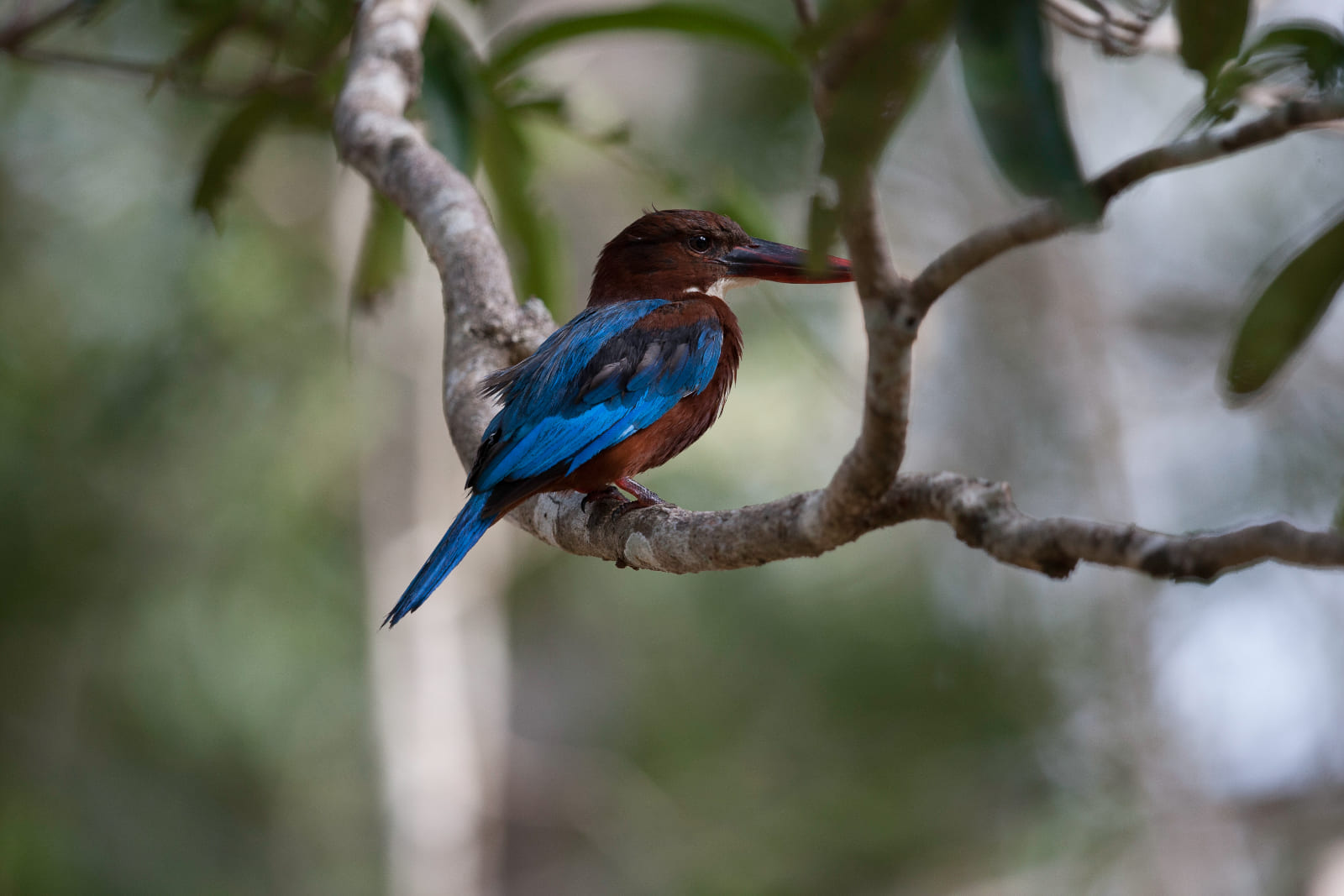
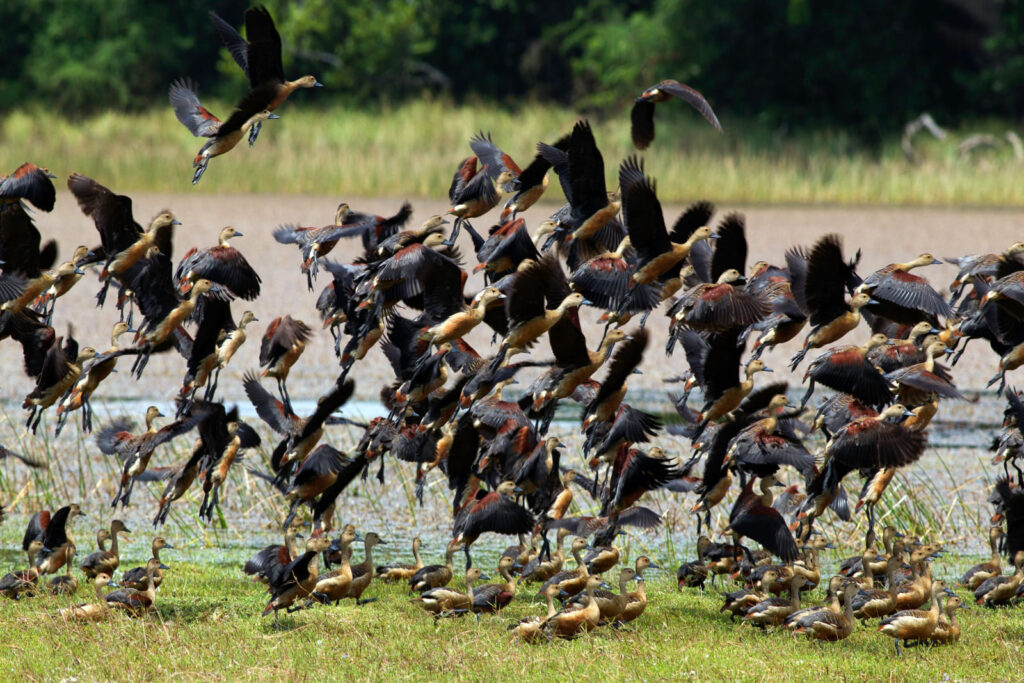
Udawalawe is a birdwatcher’s paradise, with over 180 recorded bird species. The park’s wetlands and open grasslands attract a wide range of waterbirds, raptors, and songbirds. Some of the notable species include the crested serpent eagle, the white-bellied sea eagle, and the painted stork. The park also hosts a variety of endemic species, such as the Sri Lanka junglefowl and the Sri Lanka spurfowl. Reptiles and amphibians are also well-represented in Udawalawe. The park is home to several species of snakes, lizards, and turtles, as well as the mugger crocodile, which can often be seen basking on the banks of the reservoir and waterholes.
Elephant Transit Home
One of the unique attractions within Udawalawe National Park is the Elephant Transit Home (ETH). Established in 1995, the ETH is a rehabilitation center for orphaned elephant calves. The center provides care and support for these young elephants until they are old enough to be released back into the wild. The ETH plays a crucial role in elephant conservation in Sri Lanka, ensuring that orphaned calves have a chance to survive and thrive. Visitors to Udawalawe can observe the feeding times at the ETH, where they can learn about the center’s efforts and see the young elephants up close. The work done at the ETH is essential for maintaining the health and stability of the wild elephant population in the region.
Safari Experience
A safari in Udawalawe National Park offers an exciting and immersive way to experience the park’s wildlife and landscapes. Safaris are typically conducted in open-top jeeps, allowing for excellent visibility and unobstructed views of the animals. The best times for a safari are early morning and late afternoon when the animals are most active.
Guided safaris are led by experienced naturalists and park rangers who provide valuable insights into the park’s ecosystems and animal behaviors. These guides are skilled at tracking wildlife and can enhance the safari experience by pointing out interesting sightings and providing educational commentary. During a safari, visitors can expect to see large herds of elephants, often including playful calves, as well as a variety of other wildlife. The open grasslands and waterholes are prime locations for observing animals in their natural environment. The scenic beauty of the park, with its diverse habitats and stunning vistas, adds to the overall safari experience.
Conservation and Research
Udawalawe National Park plays a vital role in the conservation of Sri Lanka’s wildlife. The park’s management is focused on protecting its ecosystems and biodiversity through various conservation initiatives. These efforts include anti-poaching patrols, habitat restoration projects, and community engagement programs aimed at reducing human-wildlife conflicts.
Research is also a key component of the park’s conservation strategy. Ongoing studies on elephant behavior, population dynamics, and habitat use provide valuable data that informs management decisions and conservation practices. Collaboration with local and international researchers helps to enhance the understanding of the park’s ecological processes and supports the development of effective conservation measures.
Visiting Udawalawe National Park
When planning a visit to Udawalawe National Park, it is important to consider the best times for wildlife viewing and the weather conditions. The park is open year-round, but the dry season from May to September is typically the best time for wildlife sightings, as animals gather around the water sources. The wet season from October to January can make some areas of the park difficult to access due to flooding. There are various accommodation options near Udawalawe, ranging from luxury lodges to budget-friendly guesthouses. Staying at one of these accommodations provides easy access to the park and allows visitors to enjoy the surrounding natural beauty. Visitors are encouraged to respect the park’s rules and regulations to help preserve its ecosystems and ensure a safe and enjoyable experience. Guidelines include keeping a safe distance from wildlife, not feeding the animals, and refraining from littering or disturbing the natural environment.
Conclusion
Udawalawe National Park is a sanctuary for wildlife, offering a unique and enriching experience for visitors. The park’s large elephant population, diverse wildlife, and stunning landscapes make it a must-visit destination for nature lovers and wildlife enthusiasts. Whether you’re embarking on a thrilling safari, learning about elephant conservation at the Elephant Transit Home, or simply soaking in the natural beauty of the park, Udawalawe provides an unforgettable adventure that highlights the best of Sri Lanka’s natural heritage.