
Udawalawe, located in the southern part of Sri Lanka, is a region known for its breathtaking landscapes, rich biodiversity, and agricultural significance. While the area is widely recognized for the Udawalawe National Park and the Elephant Transit Home, the broader region of Udawalawe offers much more in terms of its geography, culture, and local livelihoods. This comprehensive overview delves into the various aspects that make Udawalawe a unique and integral part of Sri Lanka.
Geography and Climate
Udawalawe is situated in the dry zone of Sri Lanka, encompassing parts of the Sabaragamuwa and Uva provinces. The region features a varied landscape that includes dry grasslands, wetlands, and riverine forests, creating a mosaic of habitats that support a diverse range of flora and fauna. The Udawalawe Reservoir, a prominent feature of the area, provides a crucial water source for both wildlife and agricultural activities.
The climate in Udawalawe is characterized by a distinct dry season from May to September and a wet season from October to January, influenced by the southwest and northeast monsoons, respectively. The average annual temperature ranges from 25°C to 30°C, with relatively consistent warm temperatures throughout the year. These climatic conditions contribute to the region’s unique ecosystems and agricultural productivity.
Biodiversity and Natural Environment
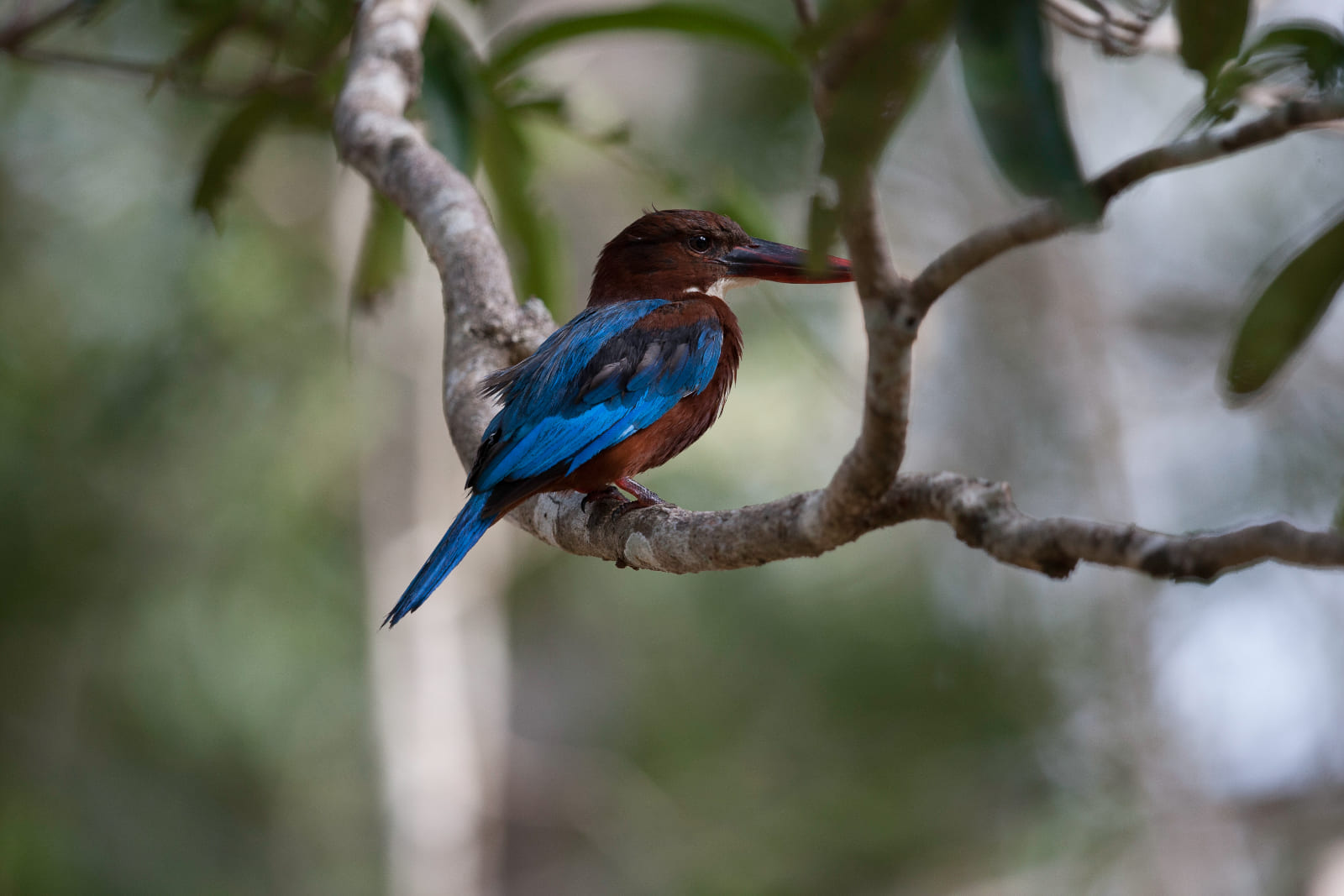
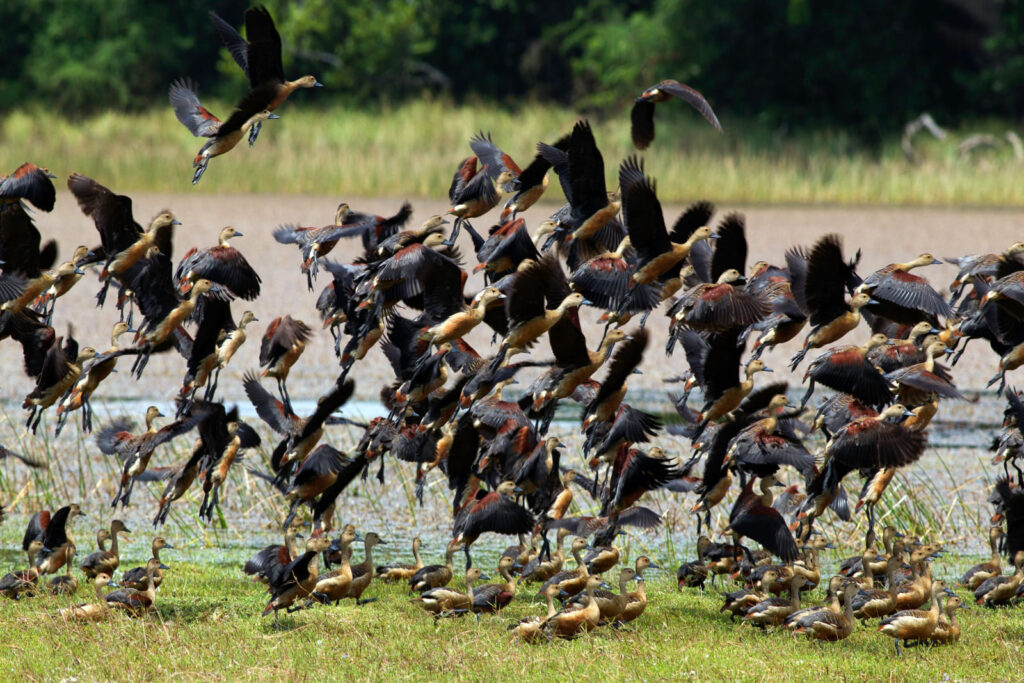
Udawalawe’s diverse ecosystems support a rich array of plant and animal species. The dry grasslands and scrub forests are home to numerous endemic and migratory bird species, reptiles, and mammals. The Udawalawe Reservoir and its surrounding wetlands attract various waterbirds and serve as a habitat for aquatic species.
The region’s flora includes a mix of dry zone vegetation, such as grasses, shrubs, and hardy trees that are adapted to the arid conditions. The riverine forests along the waterways provide a contrasting lush environment, supporting a different set of plant and animal life.
Agricultural Significance
Agriculture is a cornerstone of Udawalawe’s economy and culture. The fertile lands around the Udawalawe Reservoir are ideal for cultivating a variety of crops, including rice, maize, vegetables, and fruits. The availability of water from the reservoir ensures that farmers can maintain their crops even during the dry season, making it a critical resource for the region’s agricultural activities.
Rice paddies dominate the landscape, with their vibrant green fields stretching across the plains. Other significant crops include bananas, papayas, and various vegetables, which contribute to both local consumption and trade. Traditional farming practices are prevalent, although modern agricultural techniques are increasingly being adopted to improve productivity and sustainability. Livestock farming is also common in Udawalawe, with cattle and buffaloes being integral to the rural economy. These animals provide dairy products, meat, and labor for farming activities. The integration of livestock and crop farming enhances the sustainability of agricultural practices in the region.
Local Communities and Culture
The communities in Udawalawe are predominantly rural, with livelihoods centered around agriculture, livestock farming, and small-scale trade. The local population is known for its hospitality and strong cultural traditions, which are deeply rooted in the region’s history and environment. Cultural practices and festivals play a significant role in the lives of Udawalawe’s residents. Traditional Sinhalese and Tamil customs are observed, and religious festivals, such as Sinhala and Tamil New Year, are celebrated with much enthusiasm. The local temples and religious sites serve as centers for community gatherings and cultural activities.
Handicrafts and traditional arts are also an important aspect of Udawalawe’s cultural heritage. Local artisans produce items such as pottery, woven goods, and wood carvings, which reflect the region’s cultural identity and provide additional sources of income.
Conservation and Environmental Challenges
While Udawalawe is known for its natural beauty and biodiversity, the region faces several environmental challenges. Human-wildlife conflict is a significant issue, particularly in areas close to wildlife habitats. Elephants, in search of food and water, often venture into agricultural lands, leading to crop damage and sometimes posing risks to both humans and animals.
Deforestation and land conversion for agricultural expansion are other pressing concerns. These activities threaten the natural habitats of many species and disrupt the ecological balance of the region. Efforts to address these challenges include community-based conservation programs, reforestation projects, and initiatives to promote sustainable farming practices. The establishment of protected areas, such as the Udawalawe National Park, plays a crucial role in conservation efforts. These protected zones help safeguard critical habitats and provide a sanctuary for wildlife. Additionally, conservation education and awareness programs aim to engage local communities in protecting their natural environment.
Infrastructure and Development
Udawalawe has seen significant infrastructure development in recent years, aimed at improving the quality of life for its residents and supporting the growing tourism industry. The region is accessible by well-maintained roads, connecting it to major cities like Colombo and Matara. Public transportation options, including buses and private vehicles, facilitate travel within the area. Education and healthcare services have also improved, with schools and medical facilities available to cater to the needs of the local population. Development projects focus on enhancing these services to ensure that the community benefits from better educational and health outcomes. Tourism infrastructure, including accommodations, restaurants, and guided tour services, has expanded to cater to the increasing number of visitors to the region. Sustainable tourism practices are encouraged to minimize the environmental impact and promote responsible travel.
Future Prospects and Sustainability
Looking ahead, the future of Udawalawe hinges on balancing development with sustainability. Efforts to promote eco-friendly tourism, sustainable agriculture, and community-based conservation are essential to preserving the region’s natural and cultural heritage. Continued investment in infrastructure, education, and healthcare will support the well-being of local communities and enhance their capacity to engage in sustainable practices. Collaborative initiatives involving government agencies, non-governmental organizations, and local communities are crucial for addressing environmental challenges and promoting sustainable development. By fostering a sense of stewardship and encouraging responsible resource management, Udawalawe can continue to thrive as a region that harmonizes human activities with the natural environment.
Conclusion
Udawalawe, Sri Lanka, is a region of immense ecological, cultural, and economic significance. Its diverse landscapes, rich biodiversity, and vibrant agricultural practices define the area and contribute to its unique identity. While Udawalawe faces environmental and developmental challenges, ongoing