
Yala National Park, located in the southeastern region of Sri Lanka, is one of the country’s premier wildlife destinations. Renowned for its diverse ecosystems, rich biodiversity, and significant cultural sites, Yala offers visitors an unparalleled opportunity to experience the beauty and wonder of Sri Lanka’s natural heritage. Covering an area of 979 square kilometers, Yala is the second-largest national park in Sri Lanka and one of the oldest, having been designated as a wildlife sanctuary in 1900 and a national park in 1938.
Geography and Ecosystems
Yala National Park is divided into five blocks, two of which are open to the public, while the remaining three are reserved for research and conservation purposes. The park’s landscape is characterized by a mix of dry monsoon forests, grasslands, wetlands, and coastal lagoons, providing a variety of habitats that support a wide range of flora and fauna.
The Park is bordered by the Indian Ocean to the south, creating a stunning contrast between the lush greenery of the forest and the azure waters of the ocean. This coastal influence contributes to the park’s unique ecosystems, including brackish lagoons and mangrove swamps. The varied terrain of Yala includes rocky outcrops, sandy beaches, and dense jungles, making it a diverse and dynamic environment for wildlife.
Wildlife
Yala National Park is perhaps best known for its high density of leopards (Panthera pardus kotiya), which is considered one of the highest in the world. These elusive and majestic predators are a major draw for visitors, and sightings are relatively common, especially in Block 1. The park’s leopard population is a key focus of conservation efforts, and ongoing research aims to ensure their protection and study their behaviors.
In addition to leopards, Yala is home to a significant population of Sri Lankan elephants (Elephas maximus maximus), the largest subspecies of Asian elephants. These gentle giants can often be seen roaming the park in herds, particularly around the waterholes and lakes during the dry season.
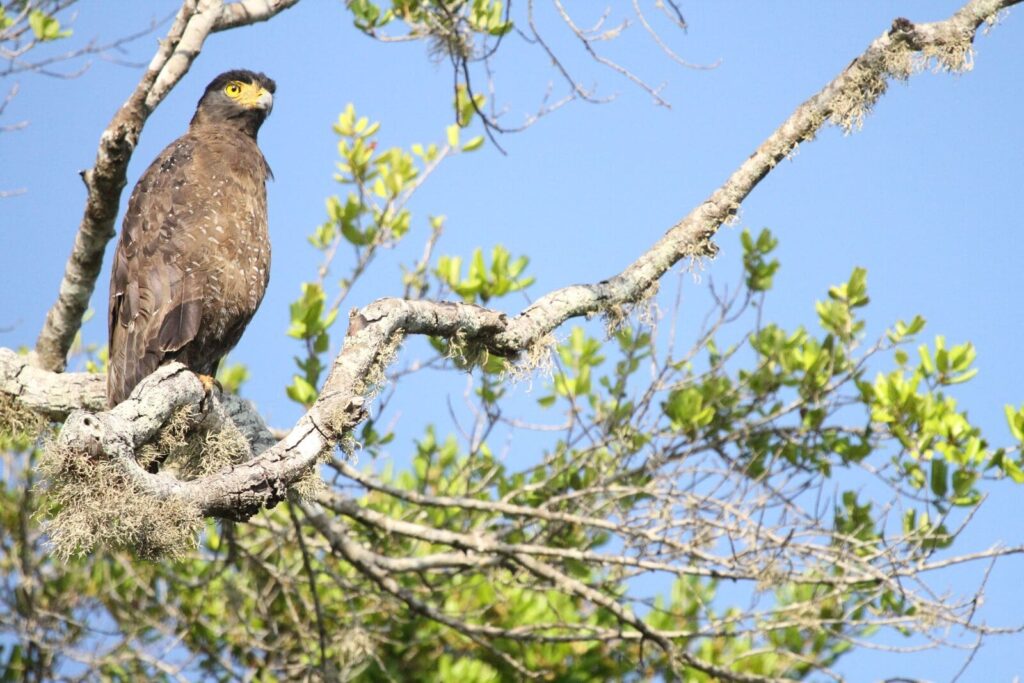
Yala’s avian diversity is equally impressive, with over 200 bird species recorded in the park. This includes both resident and migratory species, such as the colorful Indian peafowl, the majestic white-bellied sea eagle, and the endemic Sri Lanka junglefowl. Birdwatchers flock to Yala for the chance to see these and many other species in their natural habitats.
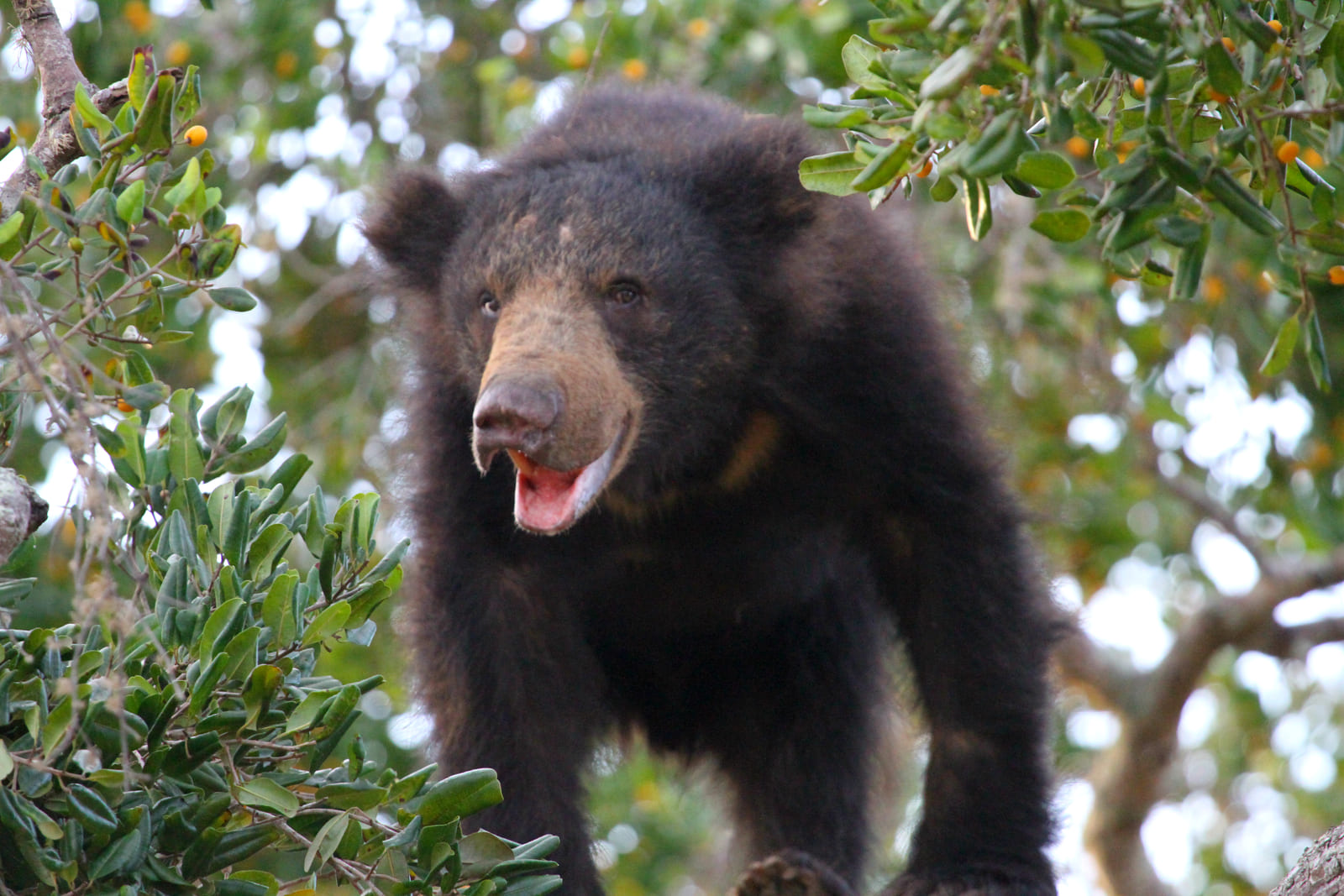
The park also supports a variety of other mammals, including sloth bears, sambar deer, spotted deer, wild boars, and water buffalos. The wetland areas are home to numerous reptiles, such as mugger crocodiles, saltwater crocodiles, and various species of snakes and lizards. The coastal areas provide nesting sites for sea turtles, including the endangered green turtle and the critically endangered hawksbill turtle.
Safari Experience
A safari in Yala National Park is an adventure that offers visitors the chance to observe wildlife in their natural environment. Safaris are typically conducted in open-top jeeps, allowing for unobstructed views and excellent photo opportunities. The best times for wildlife viewing are early morning and late afternoon when animals are most active.
Guided safaris are led by experienced naturalists who provide valuable insights into the park’s ecosystems and animal behaviors. These guides are adept at tracking wildlife and can often lead visitors to the best spots for sightings. The thrill of spotting a leopard resting on a tree branch, a herd of elephants bathing in a waterhole, or a peacock displaying its vibrant plumage is an unforgettable experience.
In addition to the excitement of wildlife sightings, safaris in Yala offer the chance to enjoy the park’s stunning landscapes. The diverse terrain, from dense jungles to open plains and serene lagoons, provides a picturesque backdrop for the safari adventure.
Conservation and Research
Yala National Park plays a crucial role in the conservation of Sri Lanka’s wildlife and natural habitats. The park is a protected area, and efforts are continuously made to preserve its ecosystems and biodiversity. Research and monitoring programs focus on key species such as leopards and elephants, as well as the overall health of the park’s environment.
Conservation initiatives in Yala include anti-poaching patrols, habitat restoration projects, and community engagement programs. These efforts aim to reduce human-wildlife conflicts and promote sustainable practices among local communities. Educational programs and outreach activities help raise awareness about the importance of conservation and the role that Yala plays in preserving Sri Lanka’s natural heritage.
Cultural and Historical Significance
Yala National Park is not only a haven for wildlife but also a site of cultural and historical importance. Within the park, there are several ancient ruins and religious sites that reflect Sri Lanka’s rich history. The Sithulpawwa Rock Temple, an ancient Buddhist monastery, is one such site. Believed to be over 2,200 years old, this temple complex includes cave shrines, stupas, and statues, and it offers panoramic views of the surrounding wilderness.
The Magul Maha Viharaya is another significant site within Yala. According to legend, this ancient temple was built to commemorate the marriage of King Kavantissa to Queen Viharamaha Devi. The ruins of the temple, including stone pillars, inscriptions, and stupas, provide a glimpse into the island’s historical and cultural heritage.
Visiting Yala National Park
When planning a visit to Yala National Park, it is essential to consider the best times for wildlife viewing and the weather conditions. The park is open year-round, but the dry season from May to September is typically the best time for wildlife sightings, as animals gather around water sources. The wet season from October to January can make some areas of the park inaccessible due to flooding.
Accommodation options near Yala range from luxury lodges to eco-friendly campsites, providing a variety of choices for visitors. Staying at one of these accommodations allows for easy access to the park and the opportunity to experience the surrounding natural beauty.
Respect for the park’s rules and regulations is crucial to preserving its ecosystems and ensuring a safe and enjoyable visit. Visitors are encouraged to follow guidelines provided by park authorities and guides, including keeping a safe distance from wildlife and refraining from littering or disturbing the natural environment.
Conclusion
Yala National Park is a jewel of Sri Lanka’s wilderness, offering a unique blend of wildlife, stunning landscapes, and cultural heritage. Whether you are a wildlife enthusiast, a nature lover, or a history buff, Yala provides an unforgettable experience that highlights the beauty and diversity of Sri Lanka’s natural world. A visit to Yala is not just a journey into the wild; it is an opportunity to connect with the island’s rich history and contribute to the ongoing efforts to conserve its precious ecosystems.